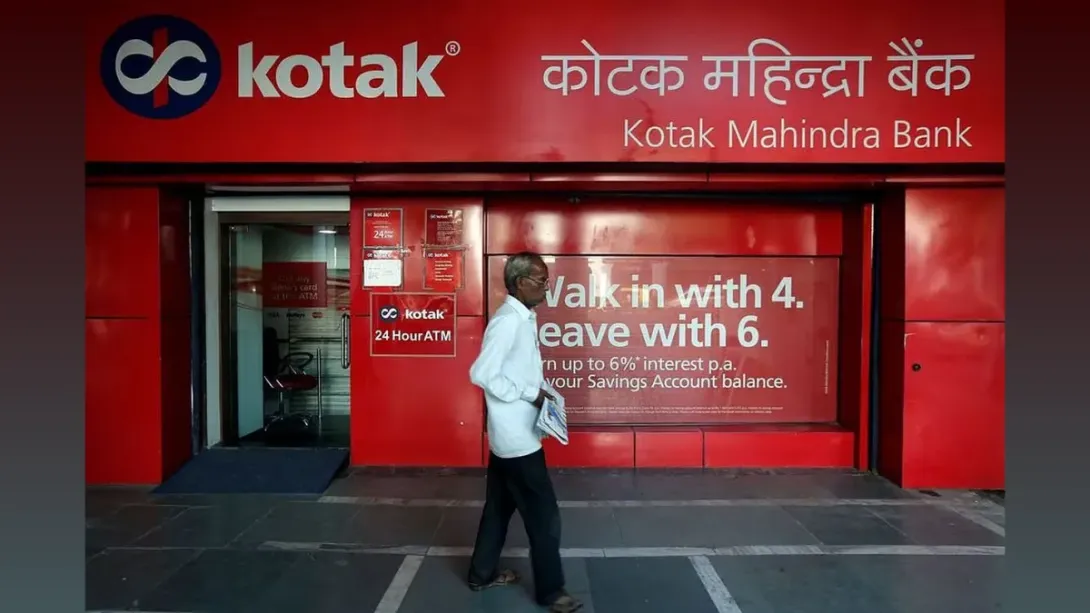
A major financial irregularity involving fixed deposit receipts (FDRs) worth nearly Rs 150 crore has surfaced in Panchkula, leading to the arrest of a bank official. Authorities allege that discrepancies between municipal records and bank statements point to systemic manipulation and misreporting. The accused, a relationship manager, is suspected of providing falsified information in coordination with other individuals. The case, currently under investigation by state vigilance authorities, raises serious concerns about internal controls, governance standards, and financial oversight within institutional banking operations. The incident underscores the need for stricter compliance frameworks in handling public funds.
Major Financial Discrepancy Comes to Light
A significant financial controversy has emerged in Haryana’s Panchkula district, where discrepancies involving fixed deposit receipts (FDRs) amounting to approximately Rs 150 crore have triggered a formal investigation. The issue came to light following a mismatch between the financial records maintained by the municipal corporation and those reflected by a local branch of Kotak Mahindra Bank.
Authorities have described the case as a serious breach of financial accountability, particularly given that the funds in question are linked to a public body.
Arrest of Key Bank Official
In a decisive development, the State Vigilance and Anti-Corruption Bureau has arrested Dileep Kumar Raghav, who was serving as a relationship manager at the bank during the period under scrutiny.
Investigators allege that the accused played a central role in the irregularities by submitting falsified reports regarding the status of fixed deposits. These reports were reportedly communicated to the Panchkula Municipal Corporation, creating discrepancies between actual balances and documented records.
Officials have indicated that the arrest marks the first step in what is expected to be a broader investigation involving multiple stakeholders.
Nature of the Alleged Irregularities
Preliminary findings suggest a systematic manipulation of financial data, potentially involving collusion between internal and external parties. The discrepancies pertain to the valuation and existence of fixed deposit instruments, which are typically considered low-risk and highly secure financial assets.
The alleged misrepresentation raises critical questions about how such discrepancies could persist undetected over time, especially within a regulated banking framework. The involvement of a relationship manager points to possible lapses in internal checks and balances.
Implications for Public Financial Management
The case has broader implications for governance and financial oversight in public institutions. Municipal corporations rely heavily on banking partners to manage surplus funds through instruments like FDRs. Any irregularity in such arrangements can undermine financial planning and public trust.
The incident highlights the importance of independent audits, real-time verification mechanisms, and robust reconciliation processes to ensure transparency and accountability in handling public money.
Regulatory and Compliance Concerns
From a regulatory perspective, the episode raises concerns about compliance standards within banking operations. Financial institutions are expected to adhere to strict reporting protocols and maintain accurate records, particularly when dealing with institutional clients.
The alleged submission of false reports indicates a potential breakdown in compliance systems, which could attract scrutiny from banking regulators. Strengthening internal audit functions and enhancing employee accountability will be critical in preventing similar incidents.
Ongoing Investigation and Potential Ramifications
Authorities have confirmed that the investigation is ongoing, with efforts underway to identify additional individuals who may have been involved in the alleged conspiracy. Financial records, transaction trails, and communication logs are being examined to establish the full extent of the irregularities.
Depending on the findings, the case could lead to further arrests, regulatory action, and possible financial restitution measures. It may also prompt a review of existing banking relationships and investment practices by municipal bodies.
Conclusion: A Wake-Up Call for Institutional Oversight
The Panchkula FDR discrepancy case serves as a stark reminder of the vulnerabilities that can exist even within established financial systems. The alleged involvement of a banking professional in misreporting activities underscores the need for stringent oversight and ethical accountability.
As the investigation unfolds, the focus will remain on restoring transparency and ensuring that safeguards are strengthened to prevent recurrence. For both financial institutions and public entities, the episode reinforces a fundamental principle: robust governance is indispensable for maintaining trust in the financial ecosystem.
- Log in to post comments